Kendrick Kpodo, PhD
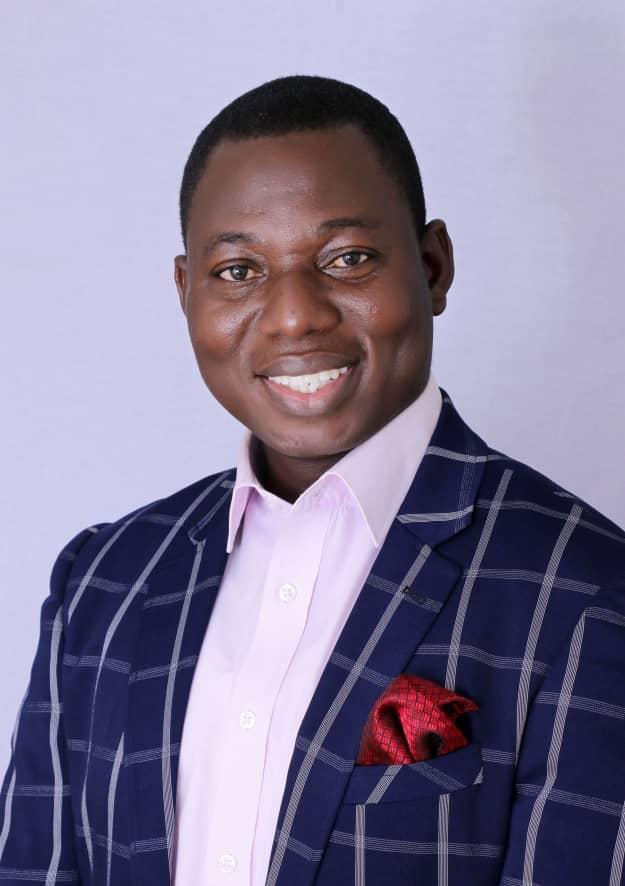
Research Team MemberKendrick Kpodo is a pastor, theologian, Emotional Intelligence lecturer, and leadership trainer.
2 Little Field Dr
Fredericksburg, VA 22405
programs@jaglobalinstitute.org
Office: +1-540-645-3803
Cell: +1-571-337-9185
A research initiative of the Jacobs-Abbey Global Institute for Leadership Studies (JAGILS).
Emotional intelligence, the ability to understand and manage our own emotions and to relate wisely to others, is taught in leadership programs around the world. Yet most of what we know about it was developed in Western settings, with the individual at the center.
In West Africa, emotional wisdom is often expressed through relationships: honoring elders, keeping peace in the family and community, carrying responsibility for others, and protecting the dignity of those around us. This project asks how leaders and communities in Anglophone West Africa understand and practice emotional competence in their own words and languages, and builds a framework that reflects what they tell us.
Describe how leaders, emerging leaders, and community members understand and practice emotional wisdom in each participating country.
Identify the local concepts, values, and sayings that shape these understandings.
Compare patterns across countries and with Western models of emotional intelligence.
Explore how gender, age, profession, faith, and setting, urban or rural, influence these understandings.
Build a regional framework that can guide leadership education and future research.
Strengthen a network of African researchers and institutions for lasting collaboration.
The study uses constructivist grounded theory, a qualitative method that builds theory from the accounts of the people being studied. We will hold interviews and focus groups in participants' preferred languages, asking for real stories of situations handled with wisdom, and for the sayings and proverbs that guide everyday life.
Each country is analyzed on its own, and then compared across the region. We share what we learn with participants for their feedback, so that our interpretations stay faithful to their experience.
The study spans five Anglophone West African countries. In each site we conduct interviews and focus groups in English and, where participants prefer, in the main local languages listed below.
Akan (Twi and Fante), Ga, and Ewe
Hausa, Yoruba, and Igbo
Krio, Mende, and Temne
Liberian English (Kolokwa) and Kpelle
Mandinka, Wolof, and Fula
Team onboarding, methodology design, ethics preparation, and research assistant training.
Interviews and focus groups in participating countries, after ethics approvals are in place.
Coding and analysis, country models, regional comparison, and validation with participants.
Manuscripts, a practitioner guide, policy briefs, and community feedback sessions.
Fieldwork begins only after ethics approvals are secured in each country. Dates may shift as approvals are confirmed.
Executive Director, Jacobs-Abbey Global Institute for Leadership Studies (JAGILS)
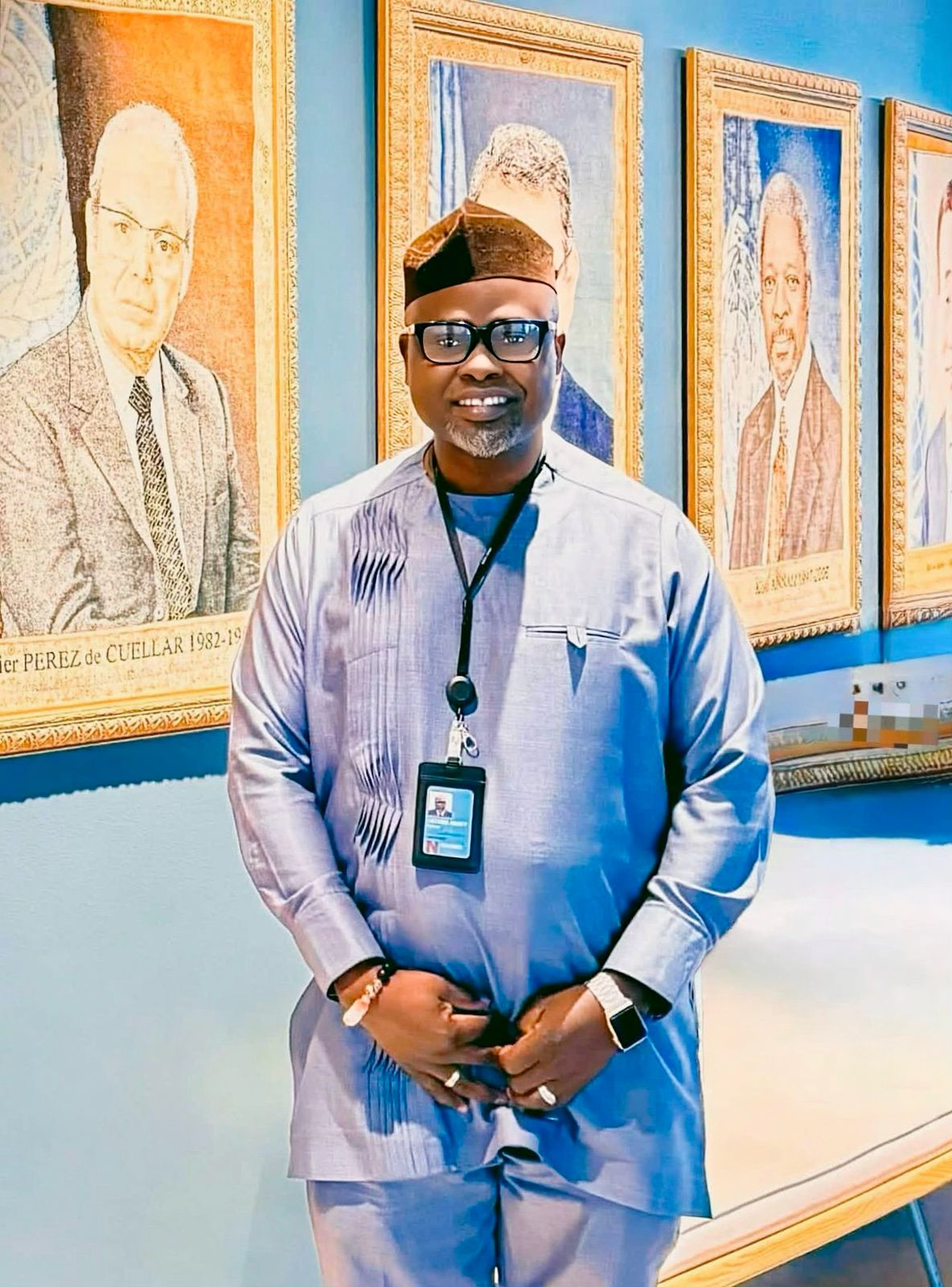
Prof. Jacobs-Abbey leads the study and guides its design, ethics, partnerships, and publications. He is a published author and an educator in organizational leadership and management.
Kendrick Kpodo is a pastor, theologian, Emotional Intelligence lecturer, and leadership trainer.
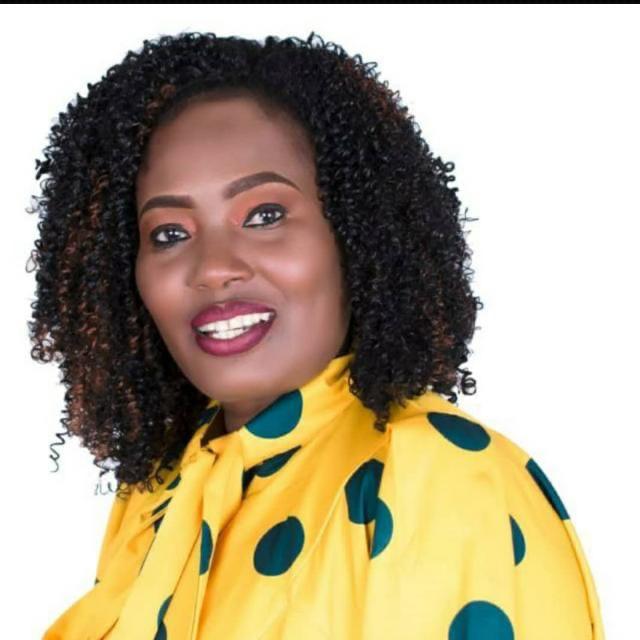
Kaanaeli Kaale is a Senior Lecturer in Mass Communication at St. Augustine University of Tanzania. Her research covers media management, political and election communication, and emotional intelligence in professional practice.

Patrick Essien is an academic, environmental and mining expert, public servant, and youth development leader. He is Deputy Director in charge of Mining at the Environmental Protection Authority (EPA), Ghana, and Founder of Molex Foundation Africa.
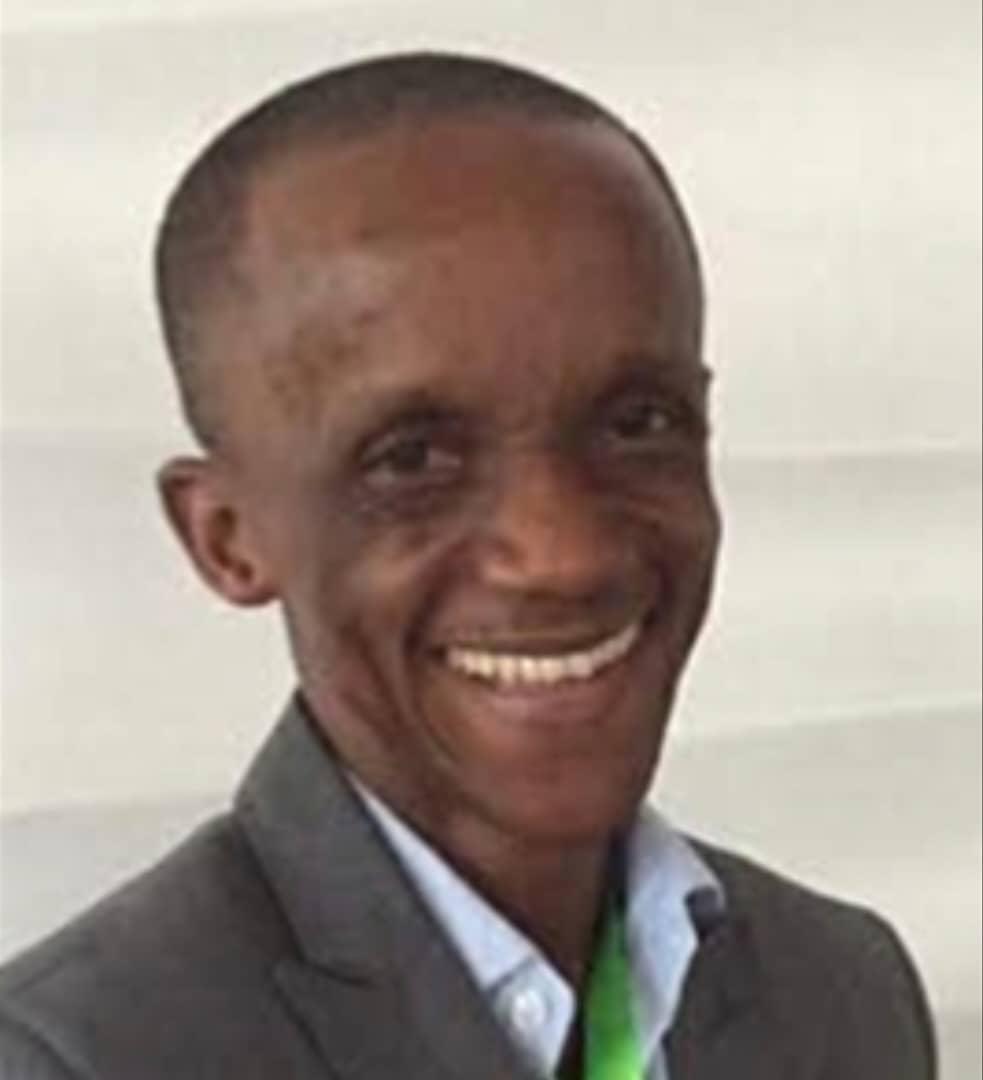
Jeje Mufutau Adeyemi is an environmental professional with experience in public-sector environmental management, sustainable development, and community-focused environmental initiatives in Nigeria.

Kwasi Oteng Baah is an organisational development specialist with experience supporting research through statistical analysis and building high-performing networks across Africa.
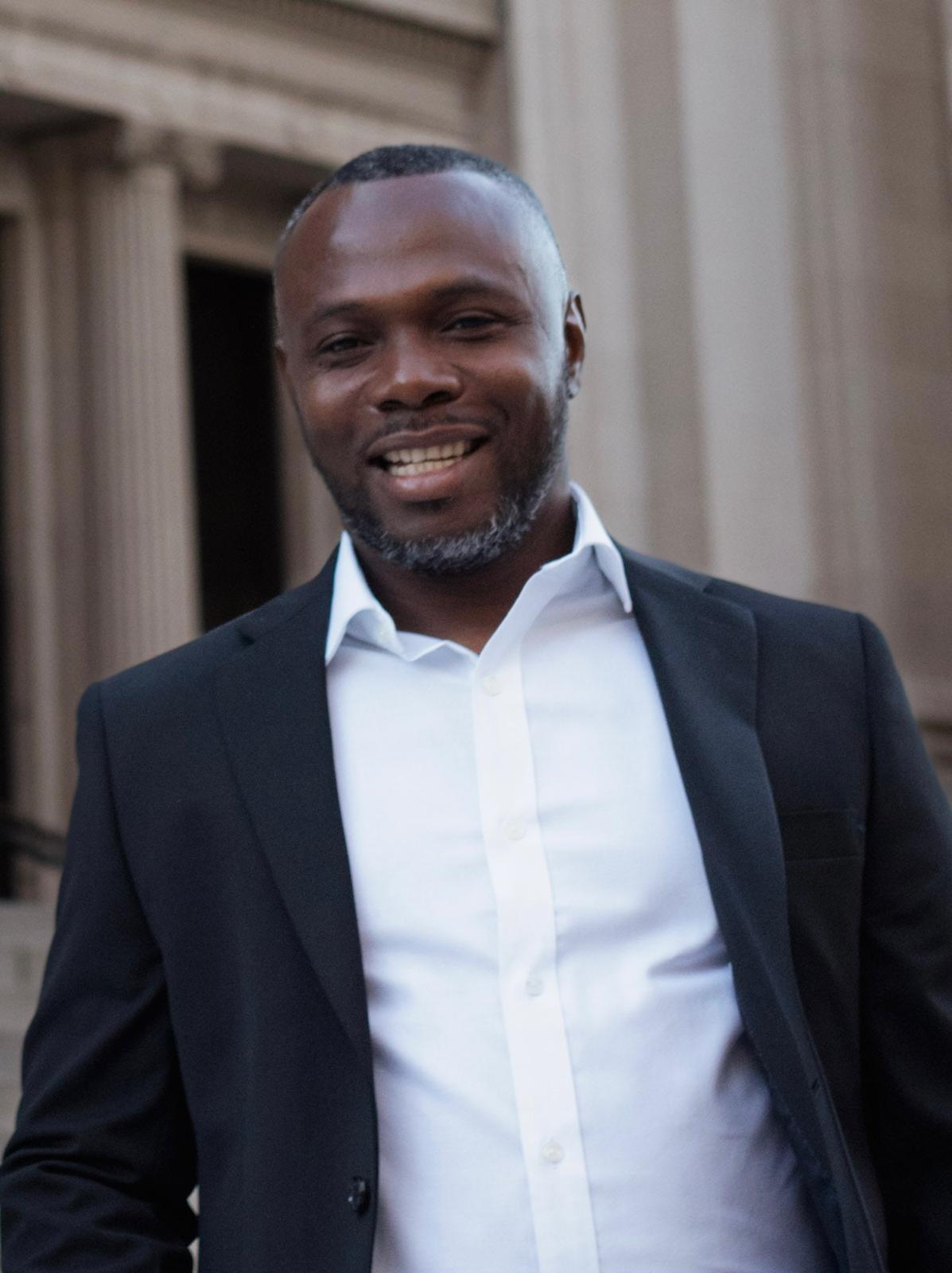
Maxwell Donkor is an IT professional with experience in software engineering, data modeling and analysis, and secure software development. He is CEO of JITA Ventures and SHMED Inc.
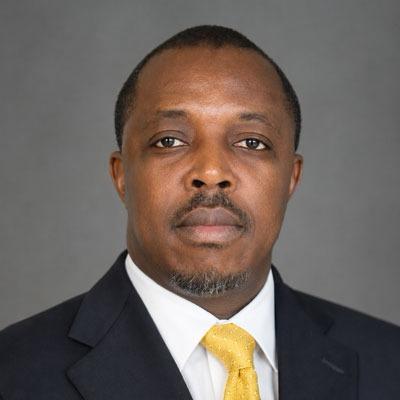
Rufus Jutee Kwenah is a humanitarian, non-profit leader, advocate, and healthcare worker. He is Co-founder of LESSAT-AFRICA.
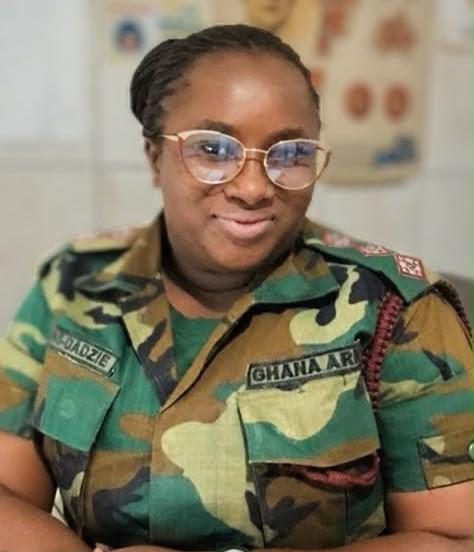
Healthcare personnel (Otorhinolaryngology Nursing) and Board Chairman of Molex Africa Foundation.
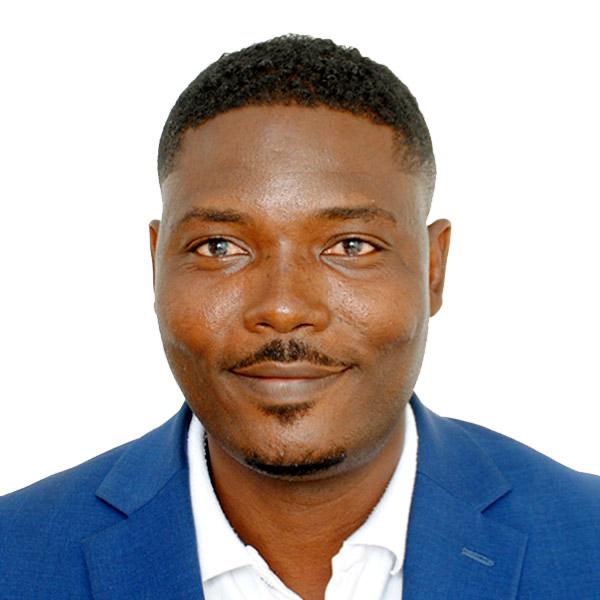
Andrews Adjieteh is a results-oriented public health and marketing professional with strong expertise in project management, Monitoring, Evaluation and Learning (MEL), stakeholder engagement, and the implementation of high-impact health programs and partnerships.
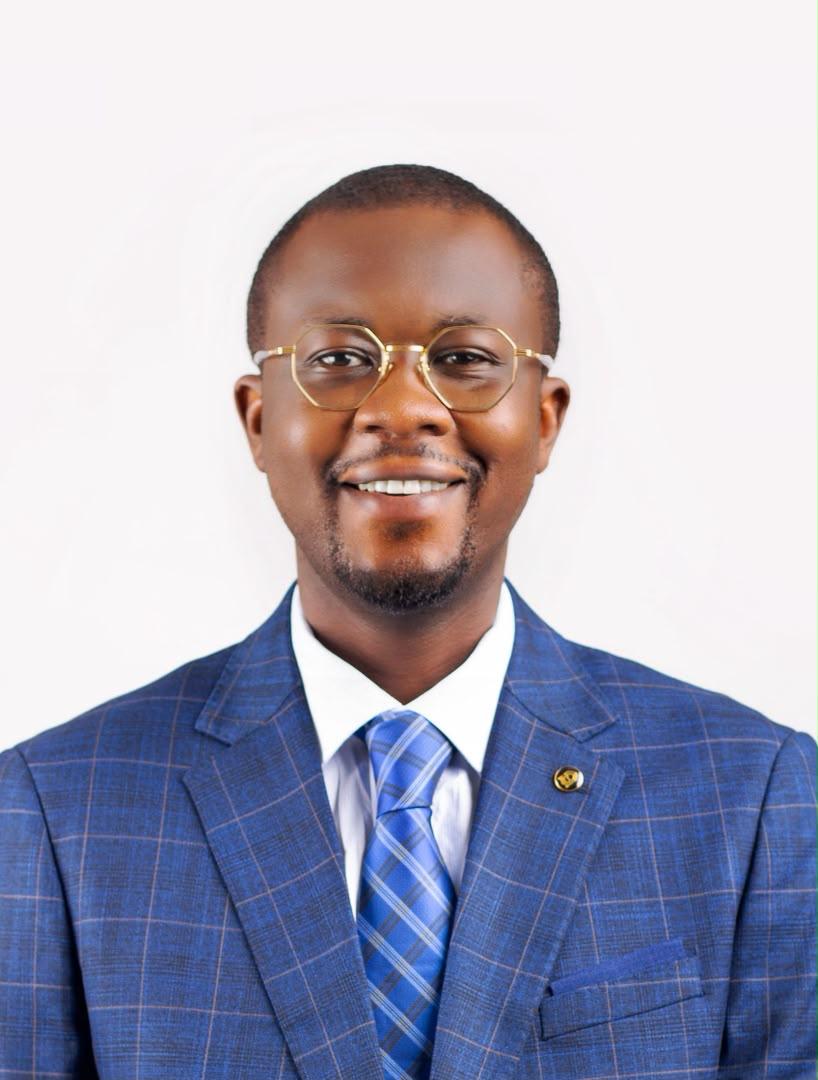
Emmanuel Osei helps organizations plan, fund, and grow, drawing on an extensive background in finance, strategy, and international development.
Additional team members and country partners, including site partners in Sierra Leone, Liberia, and The Gambia, will be announced as they join. Further team biographies will be added soon.
The project is led by the Jacobs-Abbey Global Institute for Leadership Studies (JAGILS), established in 2018 to develop leaders through education, mentoring, publishing, and convening. A team of researchers and practitioners from several countries is carrying out the work.
Participant recruitment begins after ethics approvals are in place. We will post details on this page. Please do not send personal stories or contact details through social media.
We expect to share findings in the final months of the project, through journal articles, a practitioner guide, policy briefs, and community feedback sessions.
Yes. We welcome researchers, universities, and community organizations across all five countries, especially in Sierra Leone, Liberia, and The Gambia. Please write to us using the contact below.
Jacobs-Abbey Global Institute for Leadership Studies (JAGILS)